
Sugar Skull art is a vibrant and meaningful tradition rooted in Mexican culture, closely associated with the Día de los Muertos (Day of the Dead) celebration.


Held on the 1st and 2nd of November, this annual event honours the lives of deceased loved ones with altars, offerings, music, and colourful decorations.
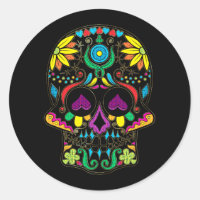

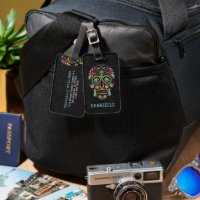
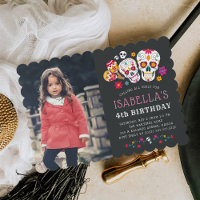

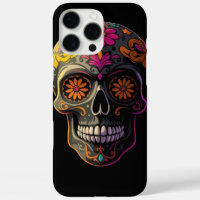
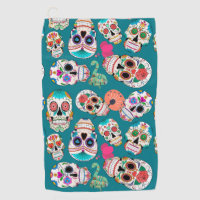
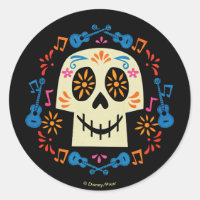
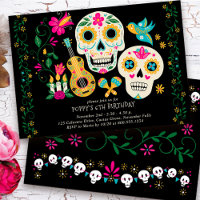
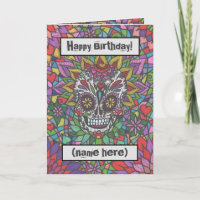
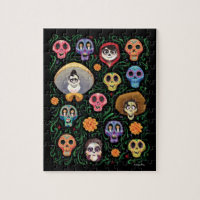
One of the most iconic elements of the celebration is the sugar skull - originally made from sugar and moulded into skull shapes, then brightly decorated with icing, foil, and beads.
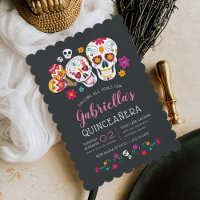

The origins of sugar skulls date back to pre-Columbian times, when the Aztecs used skull imagery to represent death and rebirth, believing that life and death were part of a continuous cycle.


When Spanish colonisers introduced Catholic traditions, indigenous customs blended with All Saints' Day and All Souls' Day, giving rise to Día de los Muertos as it is known today.
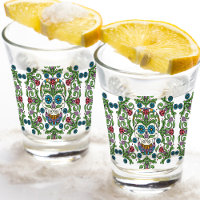

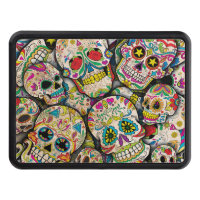
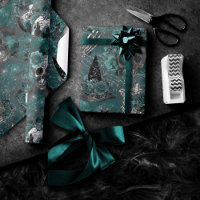
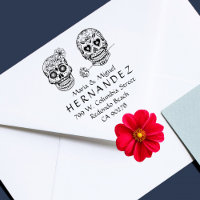
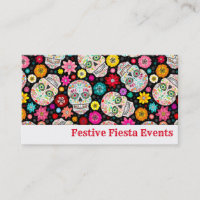
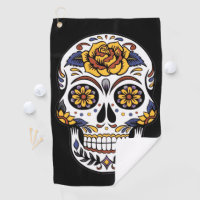
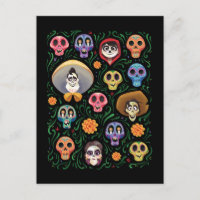
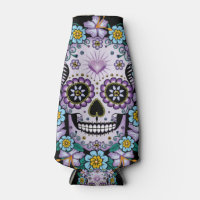
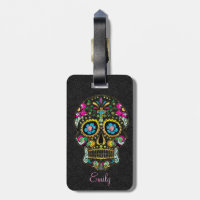
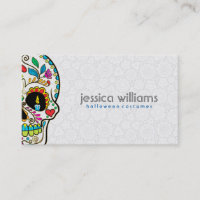
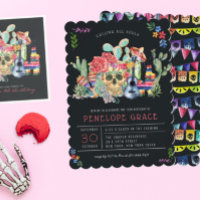
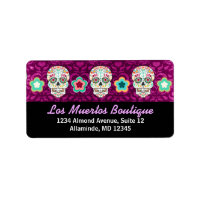
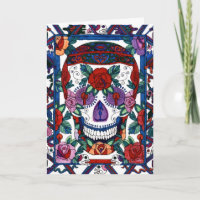
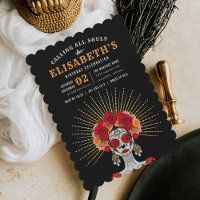
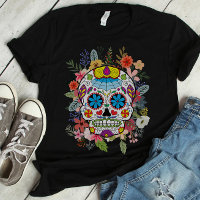
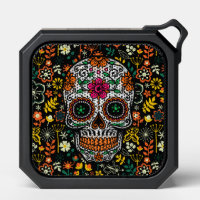
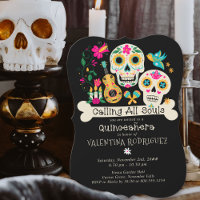
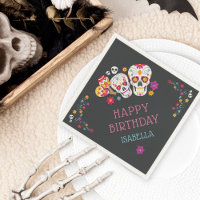
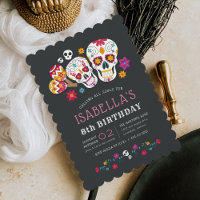
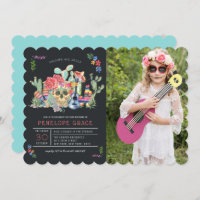
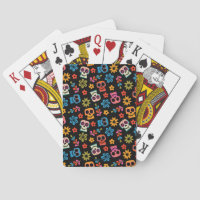
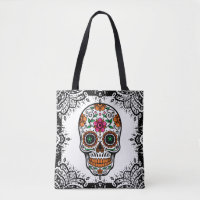
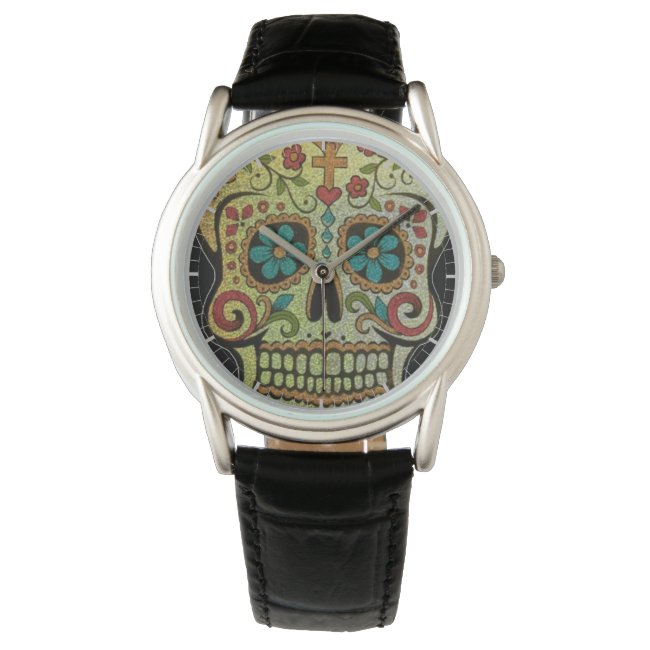
Over time, sugar skulls evolved from edible tributes to artistic expressions. Today, Sugar Skull art appears in many forms - illustrations, tattoos, clothing, home décor, and more - often featuring ornate patterns, flowers (especially marigolds), and bright colours.
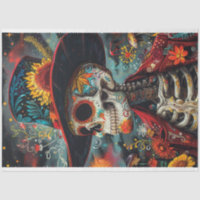

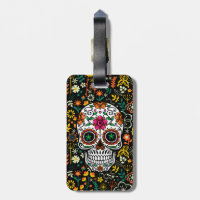
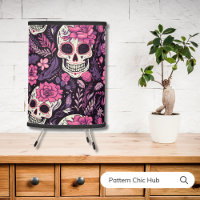
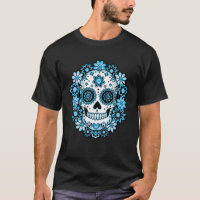

The designs celebrate life and personality, sometimes including the names of the departed on the forehead.
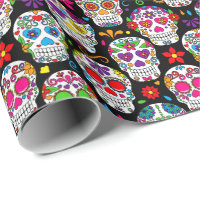
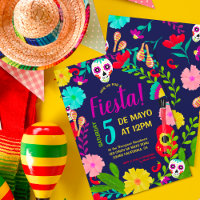


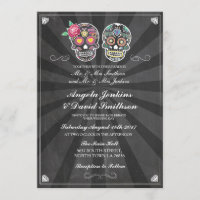
Far from being macabre, Sugar Skull art embraces a joyful view of death as a natural part of life.
It’s a reminder to celebrate loved ones who have passed on, keeping their memory alive through creativity, colour, and culture.




|


No comments:
Post a Comment